
A shiny insect darting under the fridge at night is rarely alone. How to recognise a cockroach infestation, which species you have, and why it needs a professional.
Cockroaches are masters of staying out of sight. By the time most people see one, scuttling across the kitchen floor when the light goes on late at night, the insects have usually been there for some time. A cockroach infestation is not something that clears up by itself, and it is one of the pests we most strongly recommend leaving to professionals.
This guide covers how to recognise cockroaches and the evidence they leave, why they are a concern for homes and businesses, and what professional treatment involves across Manchester, Stockport and Cheshire.
The signs of a cockroach infestation
Cockroaches are nocturnal and shy of light, so the evidence is often more obvious than the insects.
Sightings at night
A cockroach running for cover when you switch on the kitchen light is the classic sign. Seeing one during the day is more serious, as it can mean hiding places are crowded.
Droppings and smear marks
Small cockroaches leave droppings that look like ground black pepper or coffee grounds. Larger ones leave tiny cylindrical pellets. In damp areas you may see brown smear marks along walls and surfaces.
Egg cases and shed skins
Cockroach eggs are carried in small, brown, purse-shaped capsules. Empty cases and pale shed skins often collect in corners, behind appliances and inside cupboards.
A musty smell
Heavier infestations produce an oily, unpleasant odour that lingers in enclosed spaces.
Where they gather
Cockroaches like warmth, moisture and food. Typical spots include behind and under fridges, cookers and dishwashers, around boilers, under sinks, inside electrical housings and in service ducts. In flats, they move between homes through pipe runs and shared voids.
Which cockroach do you have?
Identifying the species matters, because each behaves differently.
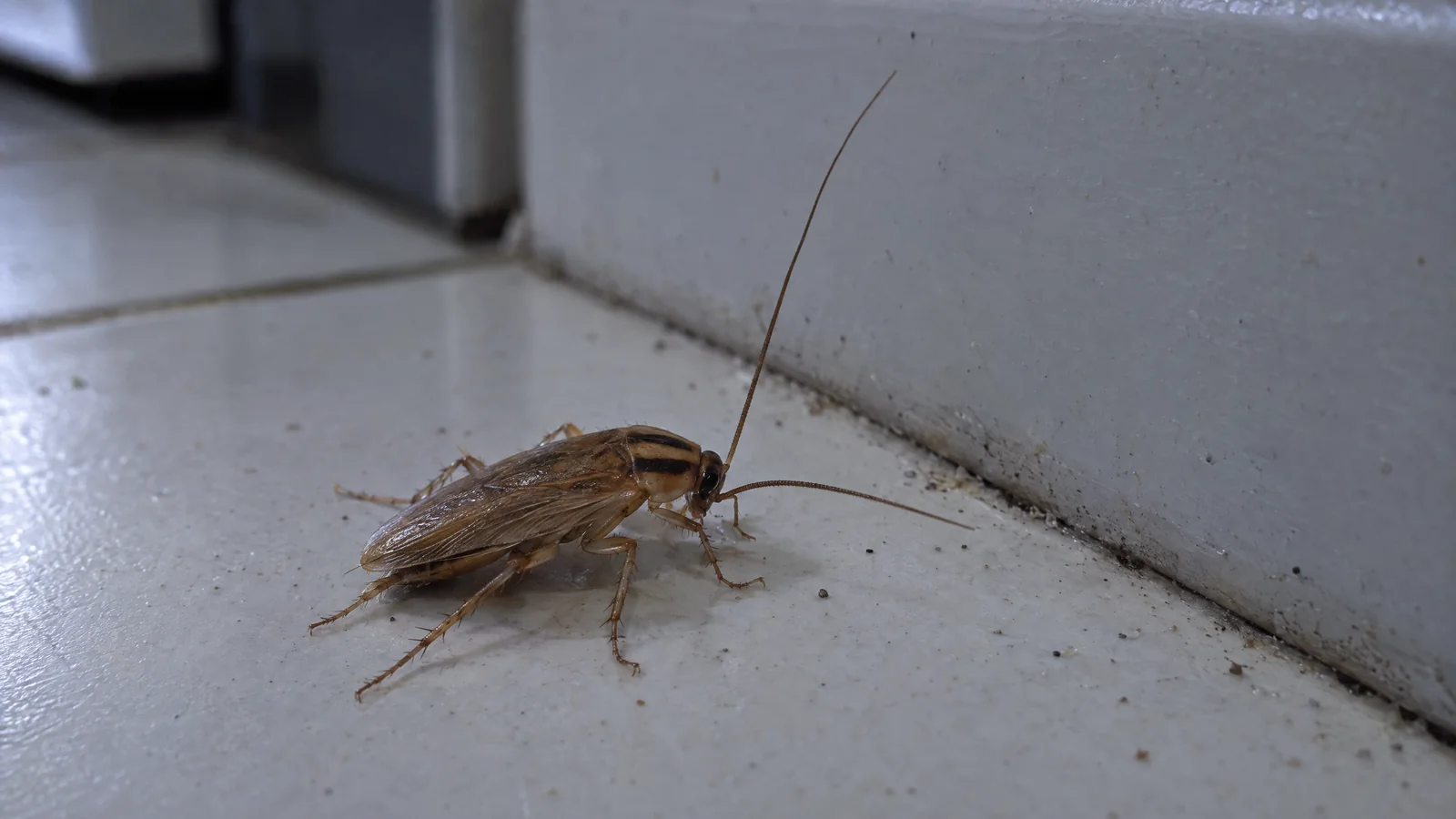
German cockroach. Small, light brown, with two dark stripes behind the head. It loves warmth and is often found in kitchens, inside appliances and in commercial food areas. It breeds very quickly.
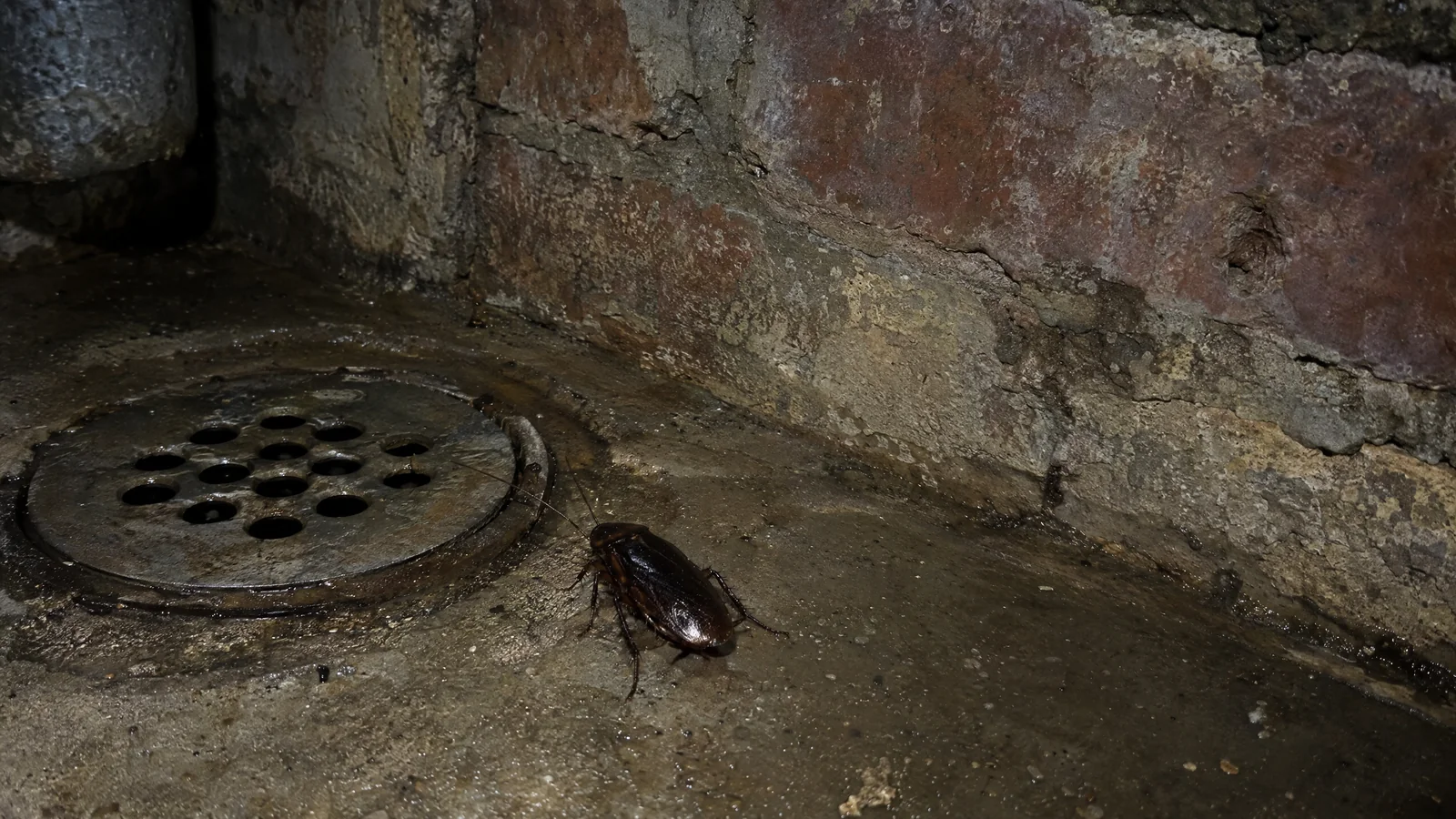
Oriental cockroach. Larger, very dark brown to black and shiny. It prefers cooler, damp areas such as cellars, drains, floor gullies and the lower levels of older buildings.
Our cockroach species guide has more detail. If you can safely take a photo, it will help the technician before the visit.
Why a cockroach infestation needs urgent attention
Hygiene. Cockroaches travel between drains, bins and food preparation surfaces. They are widely recognised as a source of contamination of food and work surfaces. For anyone with health concerns, the NHS or your GP is the right source of advice.
Speed of breeding. German cockroaches in particular can increase their numbers very quickly in a warm kitchen. A few sightings can become a large problem within months.
Spread. In apartment buildings, terraces and commercial premises, cockroaches can move between neighbouring units, which makes a quick response important. A problem in one flat is often a sign of activity in the wider building, so telling your landlord or managing agent early helps everyone.
Business risk. For restaurants, takeaways, pubs and hotels, cockroaches can affect food hygiene inspections and reputation. Our article on pest risks for pubs and hotels looks at this in more detail.
If you have seen any of these signs, call Protec on 0161 448 1782. We can discuss what you have found and arrange an inspection.
Why DIY cockroach treatment rarely works
Cockroaches are among the hardest pests to clear without professional help.
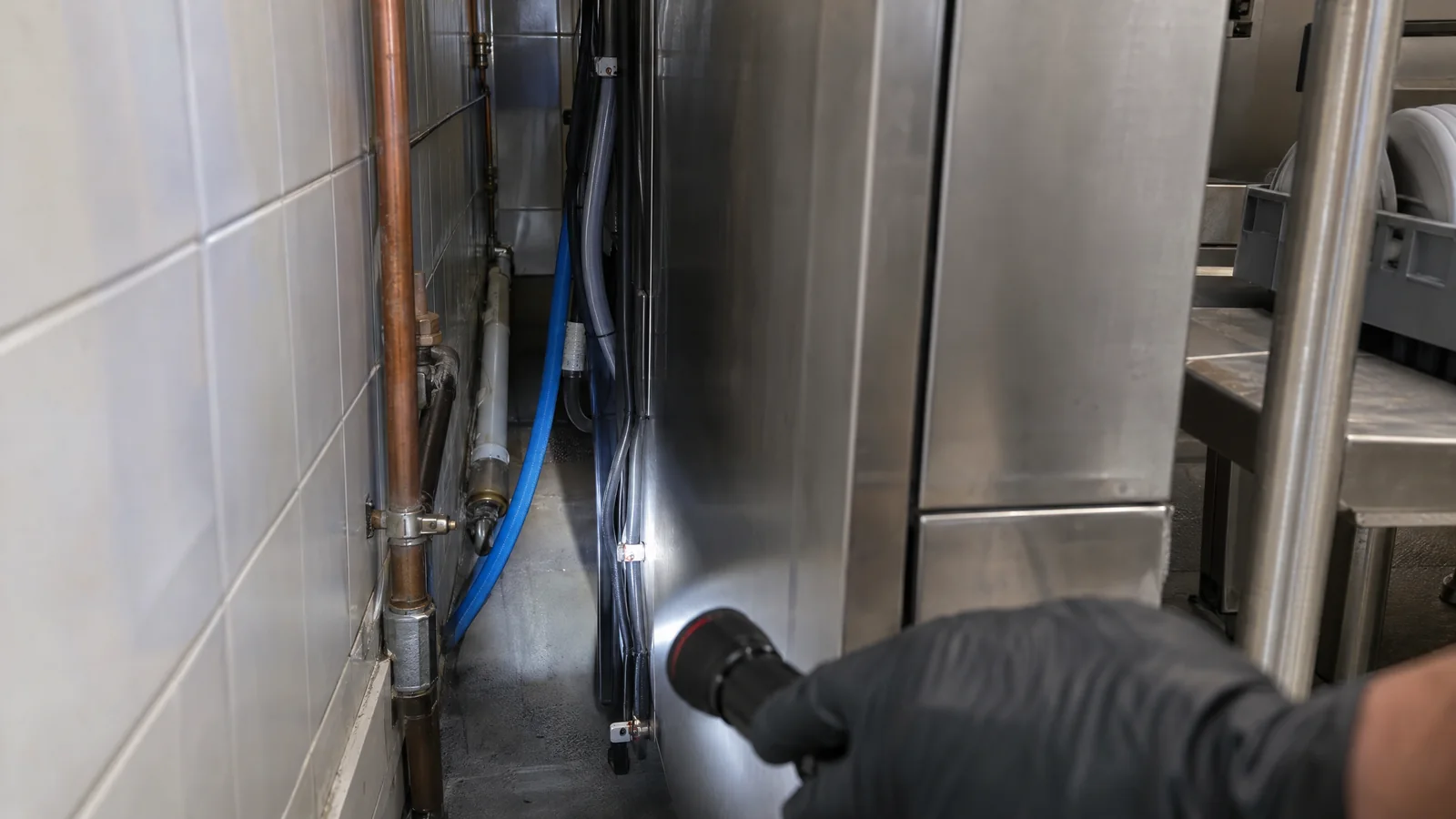
- They hide in tiny spaces. Inside appliance motors, behind wall tiles and in ducting, out of reach of anything you can buy.
- Egg cases protect the next generation. New cockroaches can hatch after a surface treatment has worn off.
- Wrong species, wrong approach. German and Oriental cockroaches need different strategies.
- Scattering. Some products cause cockroaches to move further into a building, including neighbouring flats.
- They come back. Visible numbers may fall for a week or two before activity returns.
Professional treatment is planned around the species, the building and the extent of the problem, and it includes follow-up visits.
What professional cockroach treatment involves
Our cockroach control service starts with a thorough inspection. The technician confirms the species, maps where activity is concentrated and looks at the conditions that are supporting it, such as warmth, moisture and access to food.
They then explain a treatment plan, carry it out safely around your household or business, and return for follow-up visits until activity has stopped. Commercial clients can arrange visits around opening hours, and our commercial pest control team can advise on ongoing protection. You will also find general guidance on our cockroach prevention advice page.
Cockroach control across Manchester, Stockport and Cheshire
We deal with cockroaches in city centre apartments, older terraces, hospitals, care settings, hotels and busy commercial kitchens. Whether you need cockroach control in Manchester or cockroach treatment in Stockport, the same careful approach applies.
In older Stockport and Manchester terraces, Oriental cockroaches are often linked to damp cellars, old drains and floor voids. In modern apartment buildings, German cockroaches tend to travel along heating pipes and service risers between flats, which is why one household's problem can quickly become a building-wide issue. Across Cheshire we see them most in commercial kitchens, hotels and care settings where warmth and food are available around the clock. Whatever the property, the key is an accurate survey and a plan that covers every area the cockroaches are using, not just the room where they were seen.
Frequently asked questions
What are the first signs of a cockroach infestation?
Most people see a cockroach running for cover when a light goes on at night. Other signs include small dark droppings like ground pepper, brown smear marks, empty egg cases, shed skins and an unpleasant musty smell. Activity is usually centred around warm, damp areas such as kitchens, boiler cupboards and bathrooms.
Which cockroaches are found in UK homes and businesses?
The two most common are the German cockroach, which is small, light brown and loves warm kitchens and appliances, and the Oriental cockroach, which is larger, very dark and prefers cool, damp places like cellars and drains. Identifying the species helps the technician plan treatment correctly.
Can I get rid of cockroaches myself?
It is very difficult. Cockroaches hide in tiny gaps inside appliances, wall voids and service ducts, breed quickly and their egg cases are well protected. Shop-bought products often reduce visible numbers for a while before activity returns. Professional treatment is planned around the species, with follow-up visits to confirm control.
Are cockroaches a health risk?
Cockroaches are widely regarded as a hygiene risk because they move between drains, waste and food areas, and can contaminate surfaces and food. For food businesses there are also legal duties around pest control. If you have any concerns about health, speak to your GP or NHS 111.
Do you treat cockroaches in commercial kitchens?
Yes. Protec works with restaurants, cafes, pubs, hotels and other food businesses across Manchester, Stockport and Cheshire, as well as homes and flats. Call 0161 448 1782 to describe what you have seen and we will arrange an inspection and a quote that suits your opening hours.
Book an inspection with Protec
If you suspect a cockroach infestation, do not wait for it to grow. Call Protec on 0161 448 1782 to speak to our team and request a quote, and browse the Protec pest blog for more advice.
Questions answered
Frequently asked questions
What are the first signs of a cockroach infestation?
Most people see a cockroach running for cover when a light goes on at night. Other signs include small dark droppings like ground pepper, brown smear marks, empty egg cases, shed skins and an unpleasant musty smell. Activity is usually centred around warm, damp areas such as kitchens, boiler cupboards and bathrooms.
Which cockroaches are found in UK homes and businesses?
The two most common are the German cockroach, which is small, light brown and loves warm kitchens and appliances, and the Oriental cockroach, which is larger, very dark and prefers cool, damp places like cellars and drains. Identifying the species helps the technician plan treatment correctly.
Can I get rid of cockroaches myself?
It is very difficult. Cockroaches hide in tiny gaps inside appliances, wall voids and service ducts, breed quickly and their egg cases are well protected. Shop-bought products often reduce visible numbers for a while before activity returns. Professional treatment is planned around the species, with follow-up visits to confirm control.
Are cockroaches a health risk?
Cockroaches are widely regarded as a hygiene risk because they move between drains, waste and food areas, and can contaminate surfaces and food. For food businesses there are also legal duties around pest control. If you have any concerns about health, speak to your GP or NHS 111.
Do you treat cockroaches in commercial kitchens?
Yes. Protec works with restaurants, cafes, pubs, hotels and other food businesses across Manchester, Stockport and Cheshire, as well as homes and flats. Call 0161 448 1782 to describe what you have seen and we will arrange an inspection and a quote that suits your opening hours.
Need pest control advice?
Talk to Protec about your pest problem.
Call for clear advice and the right next step for your property.