Flies in a commercial kitchen, around a loading bay or across a waste site are more than a nuisance. The signs, the risks and why professional commercial fly control works.
In a commercial setting, flies are never just a nuisance. In a kitchen they are a food safety concern. In a warehouse they can affect stock and staff comfort. On a waste site they can lead to complaints from neighbours. Commercial fly control is about finding where flies are coming from, dealing with the source and keeping activity under control, so your business is protected.
This guide covers the flies that affect businesses across Manchester, Stockport and Cheshire, the signs of a growing problem, the risks and why professional fly control is the reliable approach. Our commercial fly control page has an overview of our service.
The flies that affect businesses
Identifying the fly is the first step, because each type points to a different source.
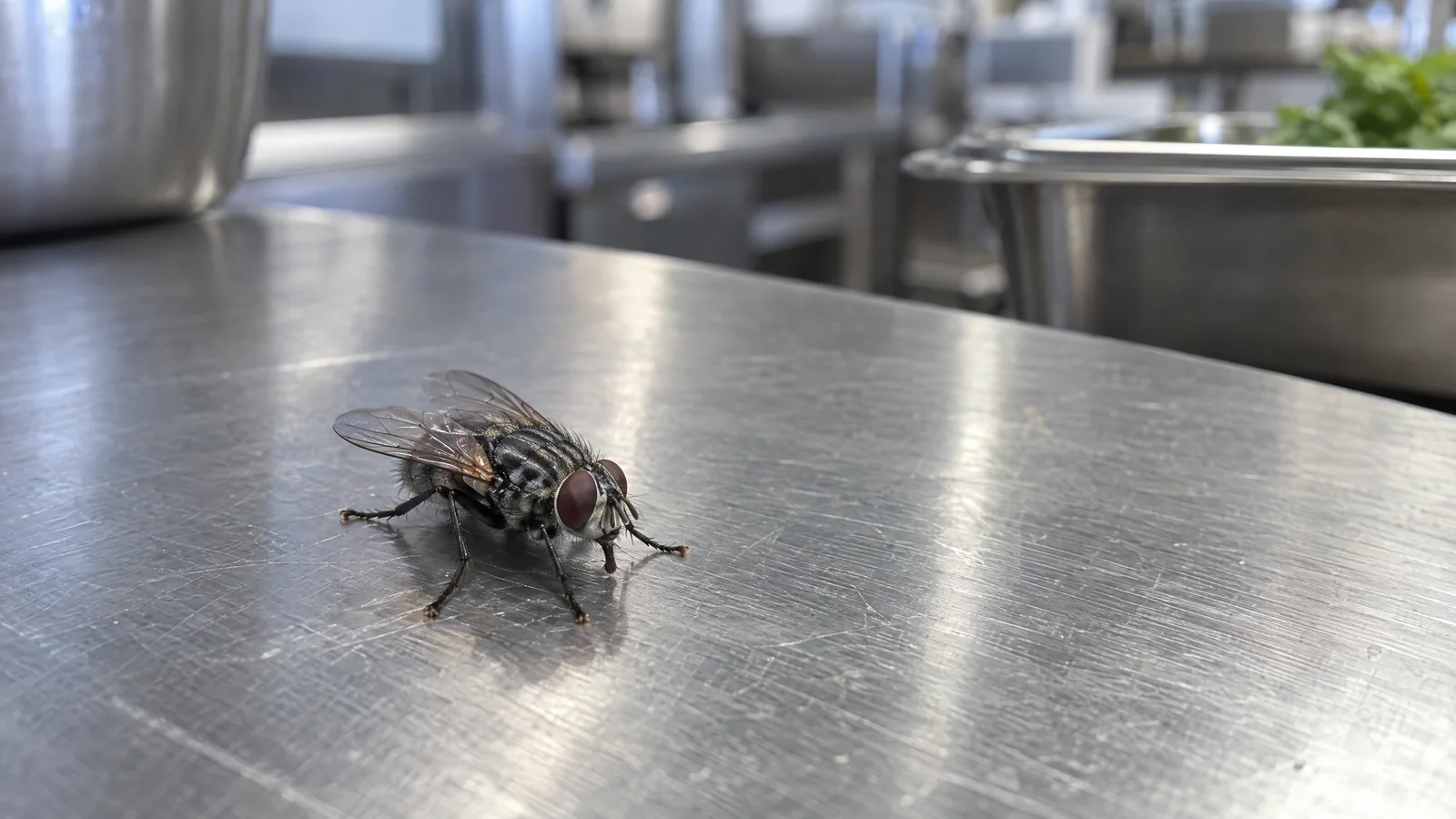
House flies. Grey, medium sized and the most familiar. They breed in rubbish, food waste and organic matter, and are drawn indoors by food smells. See our house fly profile.
Bluebottles and blow flies. Larger, noisy and metallic. They are attracted to meat, fish and decaying material, and large numbers can signal a dead animal nearby. Read more about bluebottles and blow flies.
Fruit flies. Tiny, tan coloured, breeding in fermenting material such as fruit, drinks residues and drains. Common in bars and kitchens.
Drain flies. Small, fuzzy and moth-like, breeding in the organic film inside drains and gullies.
Signs of a growing fly problem
- Flies persisting indoors despite cleaning.
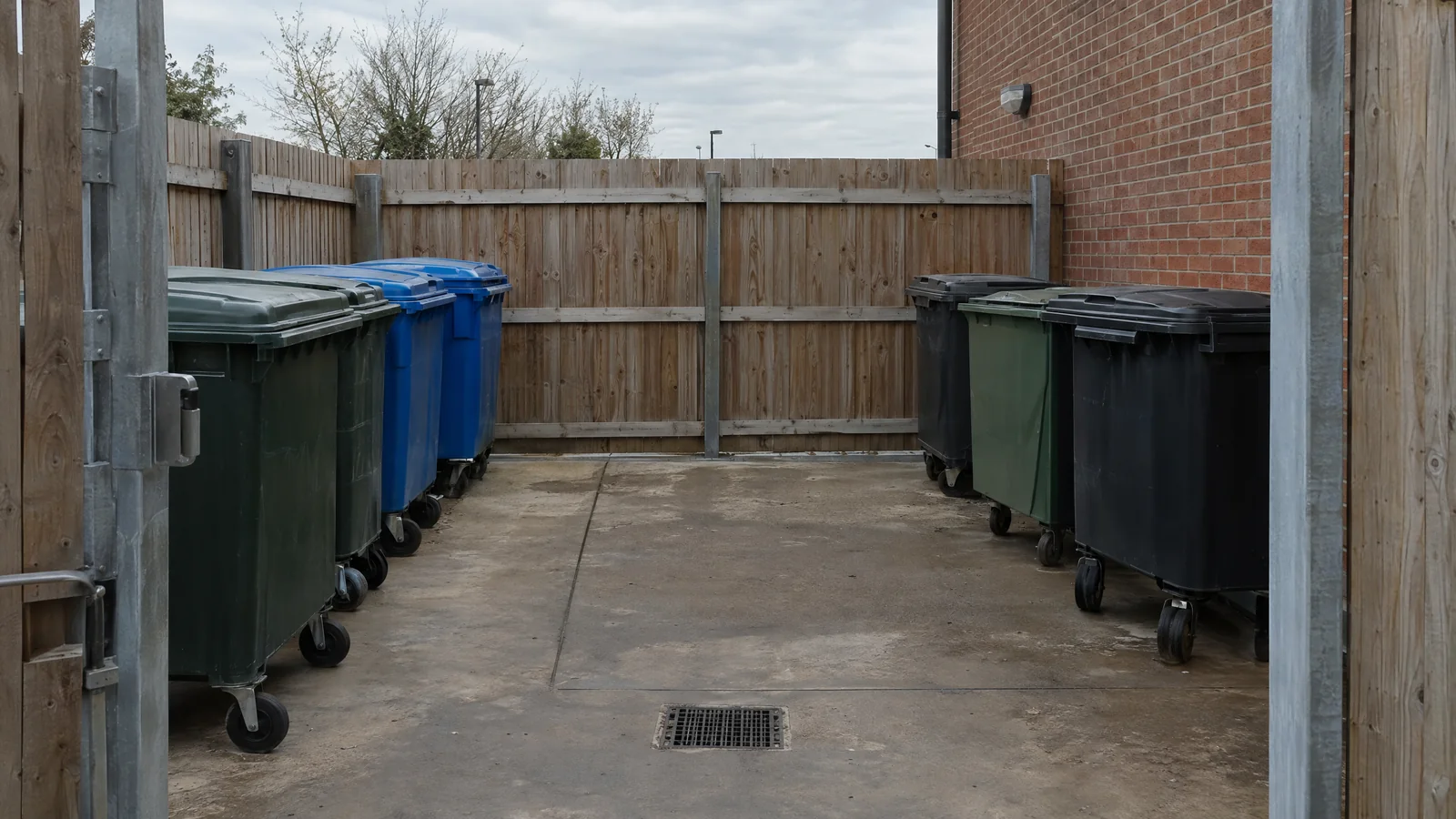
- Increasing numbers around bin stores, compactors and loading bays.
- Small flies around drains, sinks and floor gullies.
- Flies around bars, drinks stations and fruit storage.
- A sudden increase in bluebottles, which may point to a dead animal.
- Complaints from staff, customers or neighbours.
Why flies matter to your business
Food safety. Flies land on waste and then on food and food contact surfaces. In food businesses they are a hygiene concern that can affect inspections.
Reputation. A fly in a dining room or on a display is noticed instantly, and can end up in an online review.
Stock. In warehouses and food production, flies can contaminate stock and packaging.
Neighbour complaints. Waste sites and food businesses with fly problems can attract complaints from neighbouring homes and businesses.
Staff comfort. Persistent flies make working conditions unpleasant.
If flies are affecting your business, call Protec on 0161 448 1782 to arrange a survey.
Why DIY fly control rarely works in commercial settings
- The source keeps producing flies. Sprays and stand-alone gadgets deal with adults, not breeding sites.
- Breeding sources are hidden. Drains, waste equipment, voids and spillages under heavy equipment are easy to miss.
- Wrong equipment, wrong place. Unsuitable or badly positioned equipment can be ineffective, or even draw flies towards food areas.
- Products near food. Untrained use of insecticides in food areas carries real risk.
- No records. Businesses need to show what has been done, which DIY rarely provides.
What professional commercial fly control involves
A Protec technician will survey your premises, identify the flies, trace breeding sources inside and out, and look at how flies are entering the building. They will then recommend a plan suited to your operation, which may include treatment of breeding sites, suitable professional equipment and advice on any building or waste issues that are contributing. Regular visits keep activity under control, with written records provided. Visits are planned around your operation, whether that means early mornings before a kitchen opens, quieter periods in a warehouse or specific days on a waste site. The technician will explain what they have found each time, so you always know where things stand and whether anything on site needs attention.
Our house fly control service covers smaller premises, and our wider commercial pest control services can combine fly control with rodent and insect programmes.
Sectors we support
We provide commercial fly control for restaurants, cafes and takeaways, pubs and hotels, food manufacturers, warehouses and distribution centres, care settings, schools and waste and recycling sites. ### Kitchens and food service
Commercial kitchens face constant pressure from house flies and fruit flies, drawn by food smells, open back doors and waste. Drains under heavy equipment and floor gullies are frequent breeding sites for small flies, and they are easy to overlook during a busy service.
Warehouses and distribution
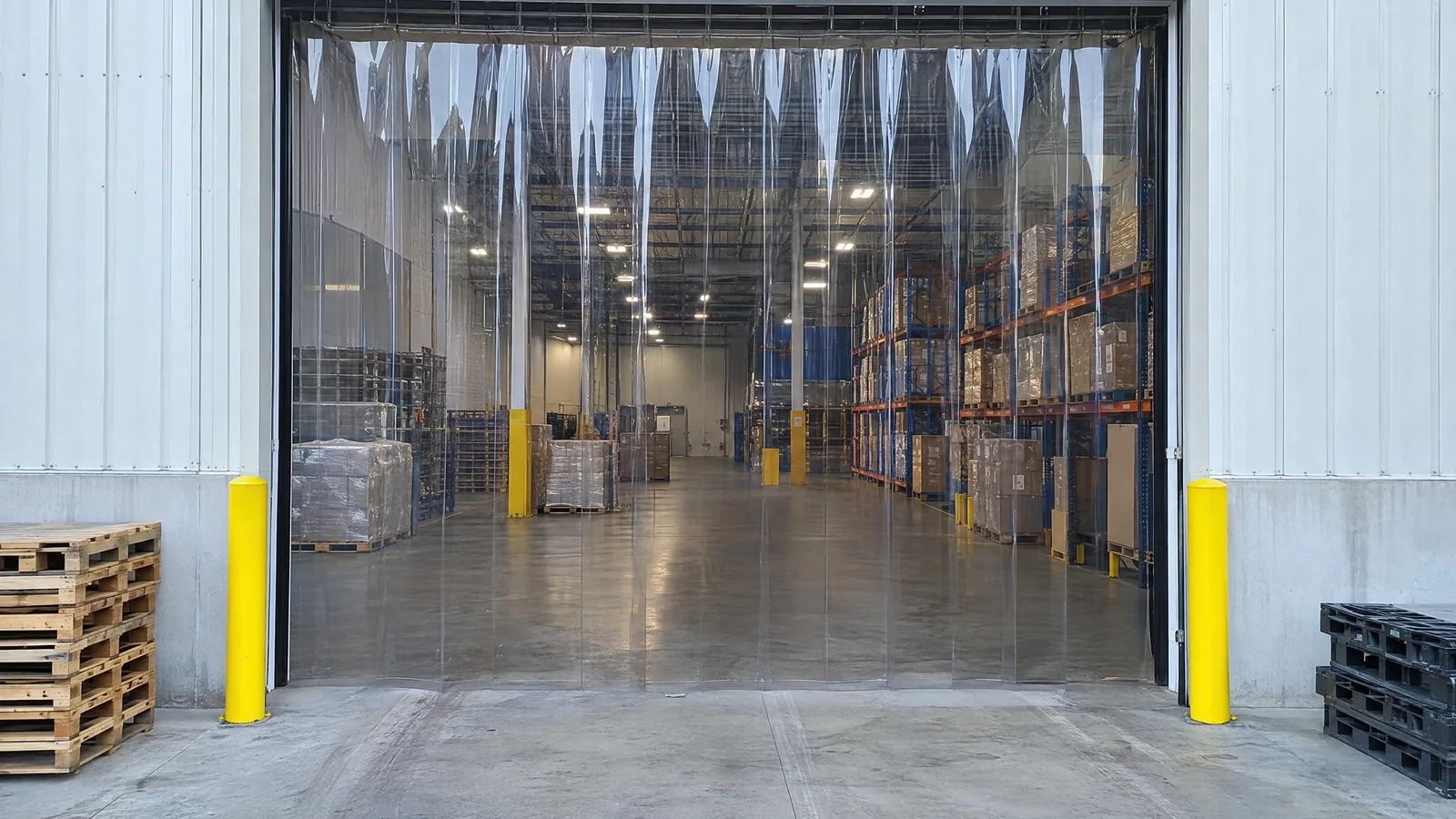
Large loading bays, doors that stay open for long periods and stored goods attract flies, particularly near food stock or waste compactors. High ceilings and racking make it hard to see where activity is concentrated without a proper survey.
Waste and recycling sites
Waste sites can support very large fly numbers in warm weather, and complaints from neighbours can quickly follow. A planned programme that targets breeding material is essential.
Care settings and schools
Flies in care homes, nurseries and schools are a particular concern because of the people involved. Treatments need careful planning around residents, staff and children, which is exactly where trained technicians make a difference.
Hospitality businesses can read our guide to pest control for pubs and hotels for more on the wider picture.
Fly pressure is highest from late spring to early autumn, but kitchens, food production and waste sites can see activity all year. A professional survey before the summer peak helps keep problems small.
Frequently asked questions
Which flies cause problems for businesses?
The most common are house flies, bluebottles and other blow flies, fruit flies and drain flies. House flies and blow flies are drawn to waste and food, fruit flies to fermenting material and drinks, and drain flies to organic film in drains. Each points to a different source, so identification comes first.
Why do flies keep coming back to our premises?
Usually because a breeding source has not been found and dealt with. It may be a bin store, a drain, a waste compactor, a spillage under equipment or a neighbouring business. Killing adult flies without finding the source gives only short-term relief. A professional survey traces where they are coming from.
Can staff manage fly control themselves?
Staff play a part by reporting flies and keeping areas clean, but tracing breeding sources, choosing suitable equipment and treating safely around food is a job for trained technicians. Professional fly control also provides written records, which help when demonstrating good practice to inspectors and auditors.
Are flies a food safety issue?
Yes. Flies move between waste and food surfaces and are widely regarded as a hygiene concern in food businesses. Fly activity in food areas can affect food hygiene inspections and customer confidence. Protec's commercial services help businesses keep fly activity under control with inspections and records.
Does Protec provide fly control across Manchester and Cheshire?
Yes. Protec provides commercial fly control for restaurants, pubs, hotels, warehouses, factories and waste sites across Manchester, Stockport and Cheshire. Call 0161 448 1782 to discuss your site and arrange a survey and a clear quote, with visits planned around your operations.
Talk to Protec about commercial fly control
If flies are affecting your business, call Protec on 0161 448 1782 to arrange a survey and request a quote. For more advice, visit the Protec blog.
Questions answered
Frequently asked questions
Which flies cause problems for businesses?
The most common are house flies, bluebottles and other blow flies, fruit flies and drain flies. House flies and blow flies are drawn to waste and food, fruit flies to fermenting material and drinks, and drain flies to organic film in drains. Each points to a different source, so identification comes first.
Why do flies keep coming back to our premises?
Usually because a breeding source has not been found and dealt with. It may be a bin store, a drain, a waste compactor, a spillage under equipment or a neighbouring business. Killing adult flies without finding the source gives only short-term relief. A professional survey traces where they are coming from.
Can staff manage fly control themselves?
Staff play a part by reporting flies and keeping areas clean, but tracing breeding sources, choosing suitable equipment and treating safely around food is a job for trained technicians. Professional fly control also provides written records, which help when demonstrating good practice to inspectors and auditors.
Are flies a food safety issue?
Yes. Flies move between waste and food surfaces and are widely regarded as a hygiene concern in food businesses. Fly activity in food areas can affect food hygiene inspections and customer confidence. Protec's commercial services help businesses keep fly activity under control with inspections and records.
Does Protec provide fly control across Manchester and Cheshire?
Yes. Protec provides commercial fly control for restaurants, pubs, hotels, warehouses, factories and waste sites across Manchester, Stockport and Cheshire. Call 0161 448 1782 to discuss your site and arrange a survey and a clear quote, with visits planned around your operations.
Need pest control advice?
Talk to Protec about your pest problem.
Call for clear advice and the right next step for your property.