

When the frost arrives, mice, rats, squirrels and cluster flies look for warmth indoors. How to recognise winter pests in your home and why to call in a professional early.
When the first frosts settle on the rooftops of Manchester and the fields around Cheshire villages turn white, people head indoors. So do pests. Winter pests are not a different set of creatures from those you might see in summer; they are the same animals, behaving differently because they need warmth, shelter and food, and our homes provide all three.
This guide looks at which pests move in when it gets cold, the signs to watch for, why winter problems can be harder to shift, and when to call a professional. Our page on winter pest threats also gives an overview.
Mice: the most common winter visitor
House mice are the pest we hear about most from October onwards. They are small enough to squeeze through tiny gaps under doors, around pipes and through air bricks, and once inside they settle in warm voids behind kitchen units, around boilers and under floors.
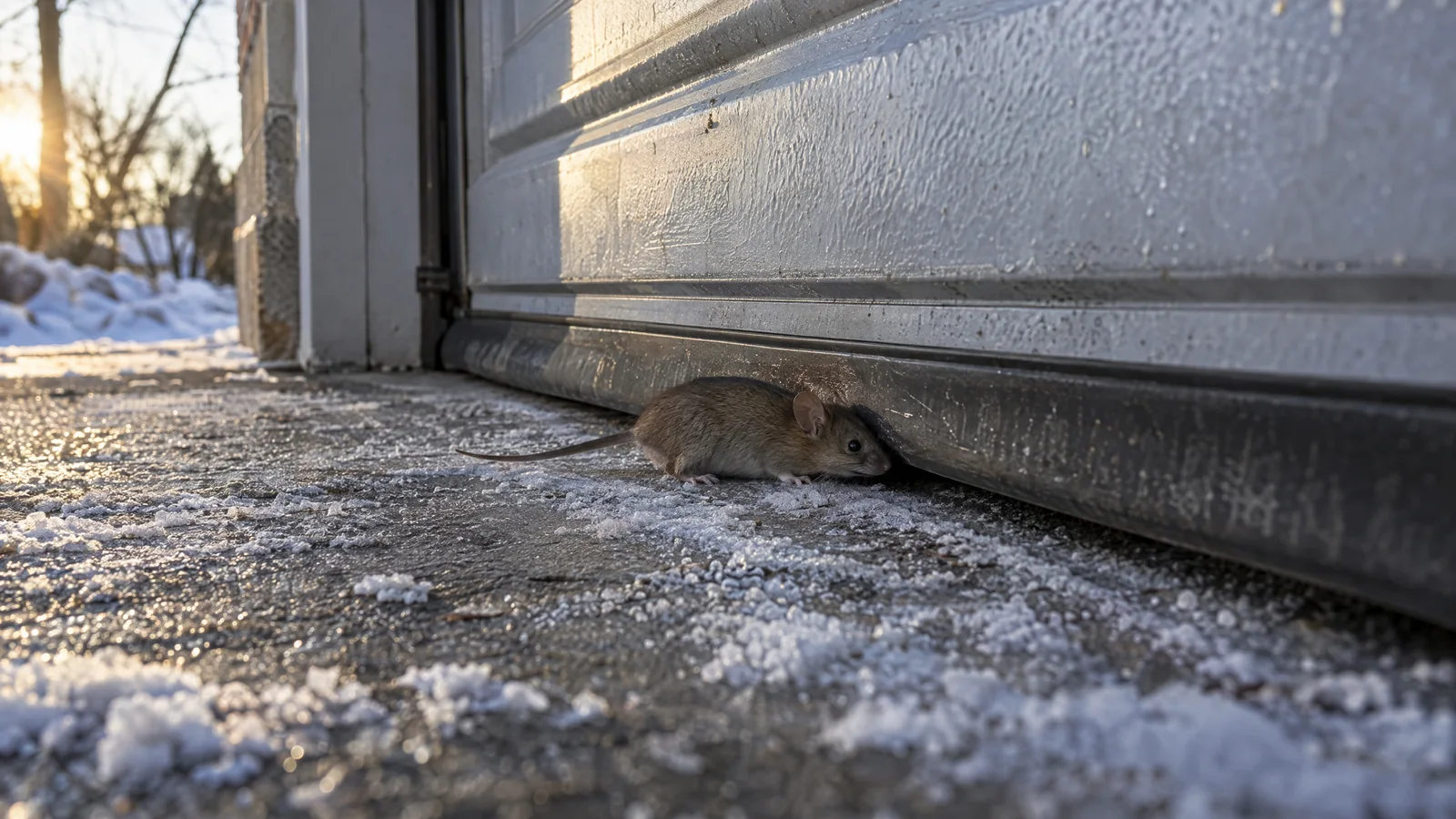
Signs include small, dark, scattered droppings, nibbled food packaging, light scratching at night and a musty smell. Because mice breed quickly in warm conditions, a few in November can become many more by spring. Mice will also travel between attached homes through shared voids, so one household often notices the problem first. Our domestic rodent control service covers mice and rats in homes.
Rats: heavier footsteps and bigger droppings
Brown rats also push indoors in colder months, particularly in older properties with suspended floors, damaged drains and outbuildings. Rural Cheshire homes near farmland, stables and watercourses often see rats move into barns, garages and then houses as the weather turns.
Look for larger droppings in groups, heavier scratching or gnawing at night, smear marks along walls, gnawed woodwork and burrows close to the house. Rats are a serious concern because they gnaw cables and pipes, and they are widely recognised as carriers of disease.
Squirrels and cluster flies in the loft
Grey squirrels are a classic winter loft pest. They chew their way in through gaps in fascias and soffits, often from overhanging trees, and build nests in insulation. The noise, usually early morning and late afternoon, is distinctive: running, thumping and rolling sounds overhead.
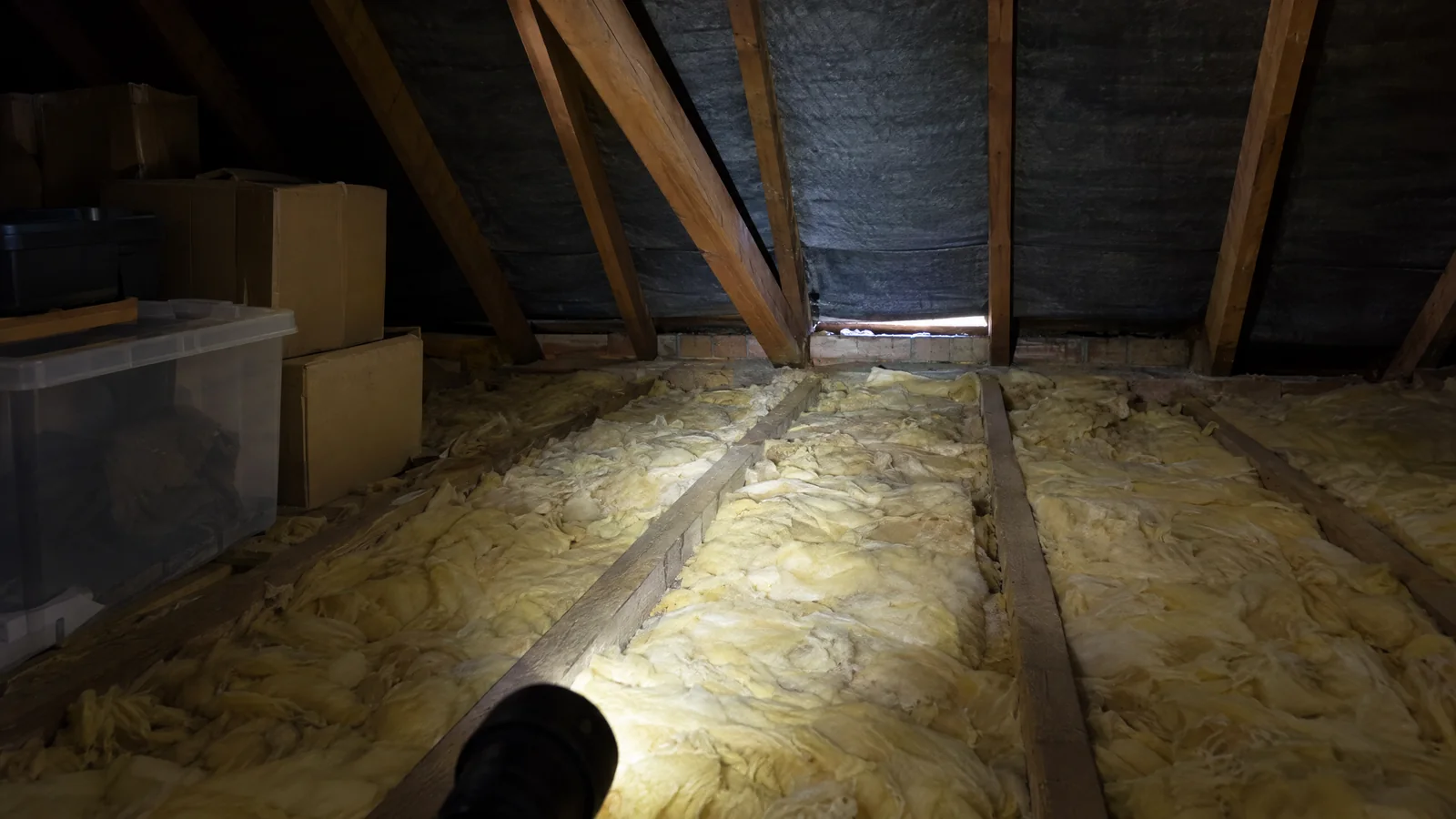
Squirrels can cause significant damage to timbers, insulation and cables. They are also subject to specific legal rules, so they need a professional approach. Our squirrel control service explains more, and our article on squirrels in the loft covers the signs in detail.
Cluster flies are another loft visitor. These sluggish flies gather in large numbers in roof spaces and around windows to overwinter, then appear on sunny days. Other insects, such as the adult crane fly, are more of an autumn sight, but their larvae can affect lawns through the colder months.
Why winter pests are worth taking seriously
Winter pests tend to be settled, hidden and determined to stay. That makes them a bigger concern than a summer visitor.
Property damage. Rodents and squirrels gnaw constantly. Cables, pipes, timbers and insulation all suffer, and chewed wiring is a well known fire hazard.
Contamination. Rodent droppings and urine in lofts and kitchens are an obvious hygiene concern.
Rapid growth. A warm house with food gives rodents ideal conditions to breed through the winter.
Disruption. Noise at night, smells and the worry of what is happening in the loft can affect sleep and peace of mind.
If you are noticing any of this, call Protec on 0161 448 1782 and our team will talk you through it.
Why DIY rarely works against winter pests
Winter pests are usually in places you cannot easily reach, and they have strong reasons to stay.
- Hidden locations. Lofts, wall voids, under floors and behind fitted units.
- Hidden entry points. Gaps at roof level, under floors and around services are hard to find without experience.
- Wrong identification. Squirrel, rat and mouse noises can be confused, and each needs a different approach.
- Legal and safety limits. Some pests, such as grey squirrels, are covered by specific rules, and products available to the public are restricted.
- Temporary relief. Activity may quieten, then return when the weather turns colder again.
A trained technician finds the pest, the extent of the problem and the route in, then follows up until it is resolved.
Winter pest control across our area
Protec covers pest control across Greater Manchester and pest control in Cheshire, from Victorian terraces in Stockport to farmhouses outside Knutsford and cottages near Macclesfield. Every visit starts with an inspection, followed by a clear plan, treatment and follow-up.
Different properties bring different winter challenges. In city terraces, shared floor voids and lofts let mice travel along a row, so a technician may ask whether neighbours have noticed activity too. In larger Cheshire homes, outbuildings, stables and log stores often give rats and mice a stepping stone towards the house. Converted barns and older cottages can have hidden voids that only become obvious once someone with the right experience and equipment looks for them.
Businesses feel winter pressure as well. Warehouses, shops, hotels and food premises all see more rodent activity in colder months, and our technicians can arrange inspections around opening hours. Whatever the setting, the aim is the same: find the pest, find the route in and resolve the problem properly.
Frequently asked questions
Which pests are most common in winter?
In Manchester and Cheshire, the main winter pests are house mice, brown rats and grey squirrels, all looking for warmth and shelter. Cluster flies and some overwintering insects also gather in lofts and around windows. Clothes moths stay active indoors where heating keeps homes warm, and cockroaches are unaffected by the season.
Do pests hibernate in winter?
Most common household pests do not truly hibernate. Rats, mice and squirrels stay active all winter and simply move to warmer places, often inside buildings. Wasp queens and some flies do overwinter in sheltered spots like lofts and sheds, then become active again in spring.
Why are winter pest problems harder to sort out myself?
In winter, pests are usually settled in hidden, warm places such as lofts, wall voids and under floors, and they have a strong reason not to leave. Shop-bought products rarely reach them, and entry routes are hard to trace. A professional inspection finds where they are living and how they got in.
Can squirrels cause damage in winter?
Yes. Grey squirrels often move into lofts in autumn and winter, gnawing timbers, insulation and sometimes cables, which is a recognised fire risk. They are also noisy, especially early in the morning. Grey squirrels are subject to specific legal rules, so professional advice is important. Protec offers squirrel control across the area.
Does Protec cover winter pests across Cheshire?
Yes. Protec deals with winter pests in homes and businesses across Greater Manchester and Cheshire, from city terraces to rural properties and farms. Call 0161 448 1782 to describe what you have noticed, and we will arrange an inspection and a clear quote at a time that suits you.
Call Protec this winter
If you suspect winter pests have moved in, do not wait for spring. Call Protec on 0161 448 1782 to request a quote and arrange an inspection. For more advice, visit the Protec blog.
Questions answered
Frequently asked questions
Which pests are most common in winter?
In Manchester and Cheshire, the main winter pests are house mice, brown rats and grey squirrels, all looking for warmth and shelter. Cluster flies and some overwintering insects also gather in lofts and around windows. Clothes moths stay active indoors where heating keeps homes warm, and cockroaches are unaffected by the season.
Do pests hibernate in winter?
Most common household pests do not truly hibernate. Rats, mice and squirrels stay active all winter and simply move to warmer places, often inside buildings. Wasp queens and some flies do overwinter in sheltered spots like lofts and sheds, then become active again in spring.
Why are winter pest problems harder to sort out myself?
In winter, pests are usually settled in hidden, warm places such as lofts, wall voids and under floors, and they have a strong reason not to leave. Shop-bought products rarely reach them, and entry routes are hard to trace. A professional inspection finds where they are living and how they got in.
Can squirrels cause damage in winter?
Yes. Grey squirrels often move into lofts in autumn and winter, gnawing timbers, insulation and sometimes cables, which is a recognised fire risk. They are also noisy, especially early in the morning. Grey squirrels are subject to specific legal rules, so professional advice is important. Protec offers squirrel control across the area.
Does Protec cover winter pests across Cheshire?
Yes. Protec deals with winter pests in homes and businesses across Greater Manchester and Cheshire, from city terraces to rural properties and farms. Call 0161 448 1782 to describe what you have noticed, and we will arrange an inspection and a clear quote at a time that suits you.
Need pest control advice?
Talk to Protec about your pest problem.
Call for clear advice and the right next step for your property.