
Bites that will not stop and a pet that cannot settle? How to recognise a flea infestation in your home, why it keeps coming back, and how Protec breaks the cycle.
A flea infestation in your home has a way of creeping up on you. A few bites you put down to midges. A dog that scratches a little more than usual. Then one evening you notice tiny dark specks leaping off the rug, and the penny drops. Fleas are one of the most common pests we treat across Manchester, Stockport and Cheshire, and one of the most misunderstood.
The key to understanding fleas is their life cycle. Once you see how it works, it becomes clear why most fleas are never actually seen, why problems seem to vanish and then return, and why professional treatment is so much more reliable than anything picked up from a shop.
How to recognise a flea infestation
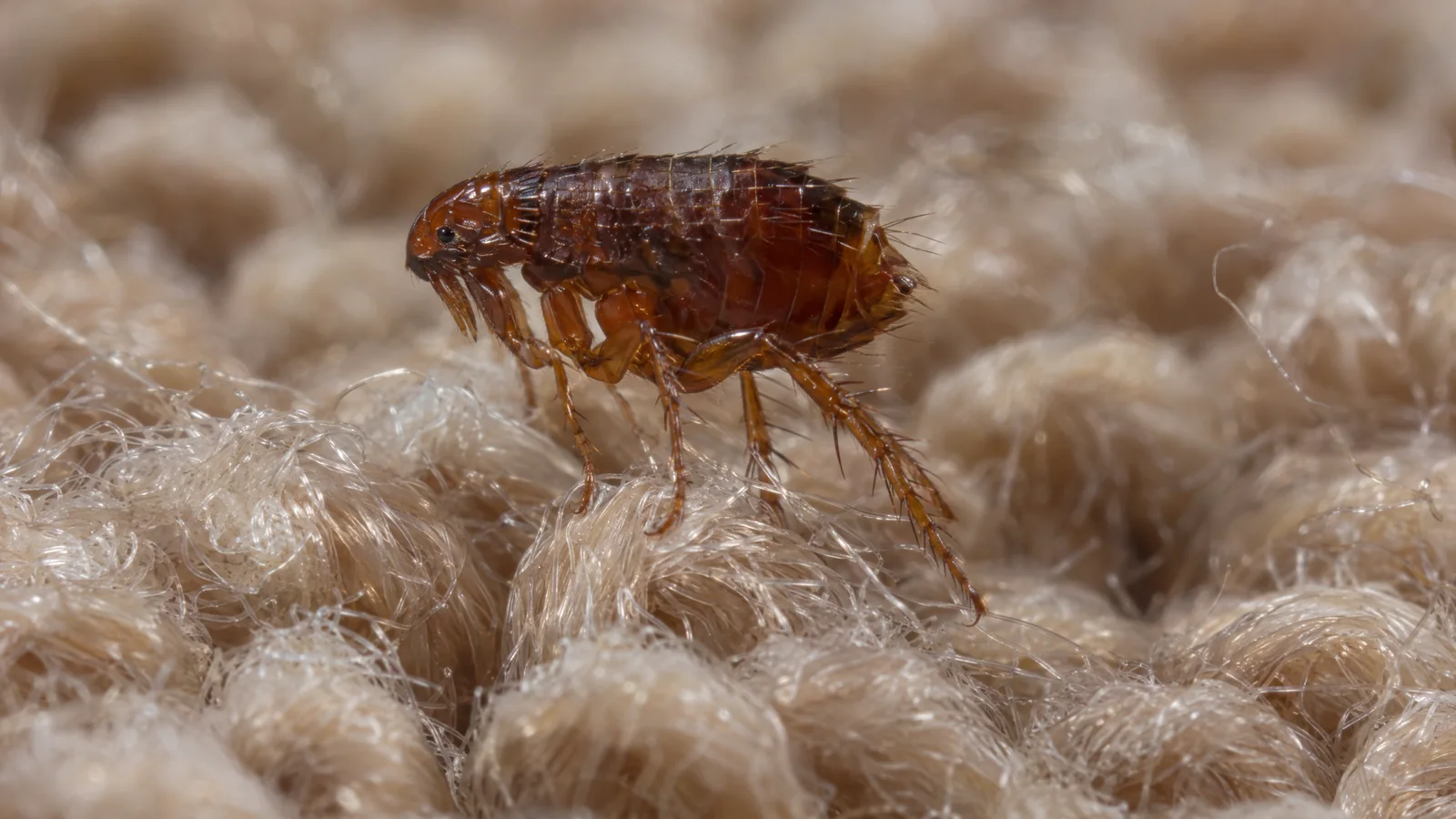
Most household fleas are cat fleas, which also feed on dogs and people. Adults are tiny, dark reddish brown, flattened from side to side and remarkable jumpers.
Common signs include:
- Bites on ankles, lower legs and sometimes the waist, often in small groups.
- Pets scratching, licking or chewing at their fur, especially near the base of the tail.
- Flea dirt, tiny dark specks in pet bedding, on sofas and along carpet edges.
- Jumping insects seen against pale carpets, socks or bedding.
- A sudden burst of fleas when you return to a home after a holiday or move into a new rental.
Fleas favour warm rooms with carpets and soft furnishings, and the places pets sleep and rest.
The flea life cycle, and why it matters
This is the part most people never hear about, and it explains almost everything.
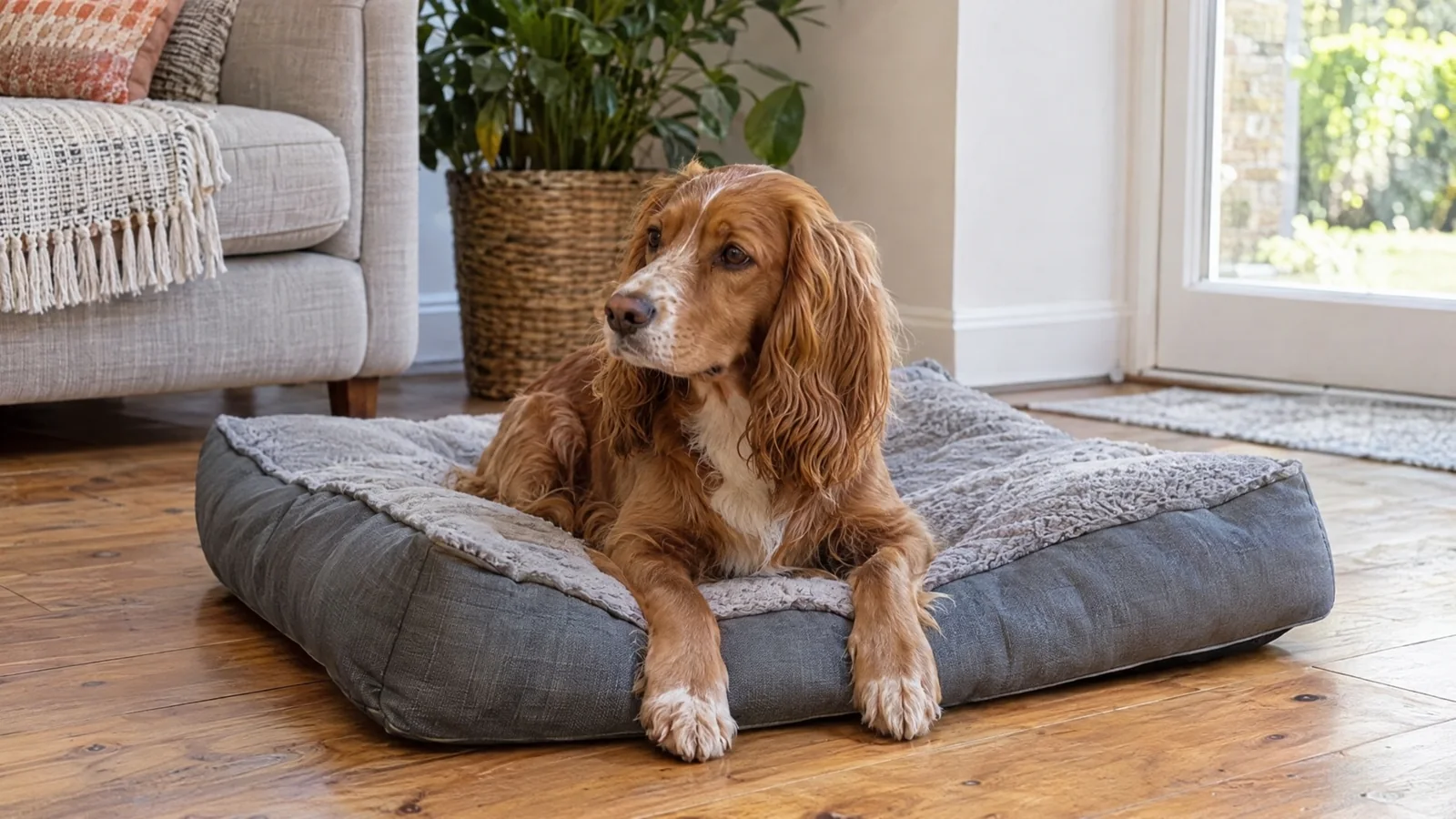
Eggs. Adult females lay eggs on the animal. These fall off wherever the pet goes, landing in carpets, bedding, sofas and gaps between floorboards.
Larvae. The eggs hatch into tiny larvae that avoid light, burrow deep into carpets and cracks, and feed on organic debris, including flea dirt.
Pupae. Larvae spin protective cocoons. Inside, they develop into adults, and they can stay in this state for weeks or longer, waiting for signs of a host such as warmth, vibration and movement.
Adults. When they sense a host, adults emerge and jump on, feed and start laying eggs.
The important point is that adult fleas are only a small part of the population. The rest are developing out of sight, which is why one treated pet does not mean the home is clear, and why an empty house can suddenly come alive with fleas when someone walks in.
Why a flea infestation is worth acting on
Comfort. Bites can be very itchy, and children and people with sensitive skin often seem to react more. For any health concern, speak to a pharmacist, GP or NHS 111.
Pet welfare. Fleas make animals miserable and can lead to skin problems. Your vet is the best source of advice for treating your pet.
Momentum. Each female flea can lay many eggs, so numbers rise quickly once a home is warm and settled.
If you recognise these signs, call Protec on 0161 448 1782 for a chat about the best next step.
Why DIY flea treatment rarely breaks the cycle
Plenty of households try sprays, powders and foggers first. The pattern we see is always similar: a brief improvement, then fleas again.
- Pupae are protected. Their cocoons shield them from many products, so they hatch after the treatment has stopped working.
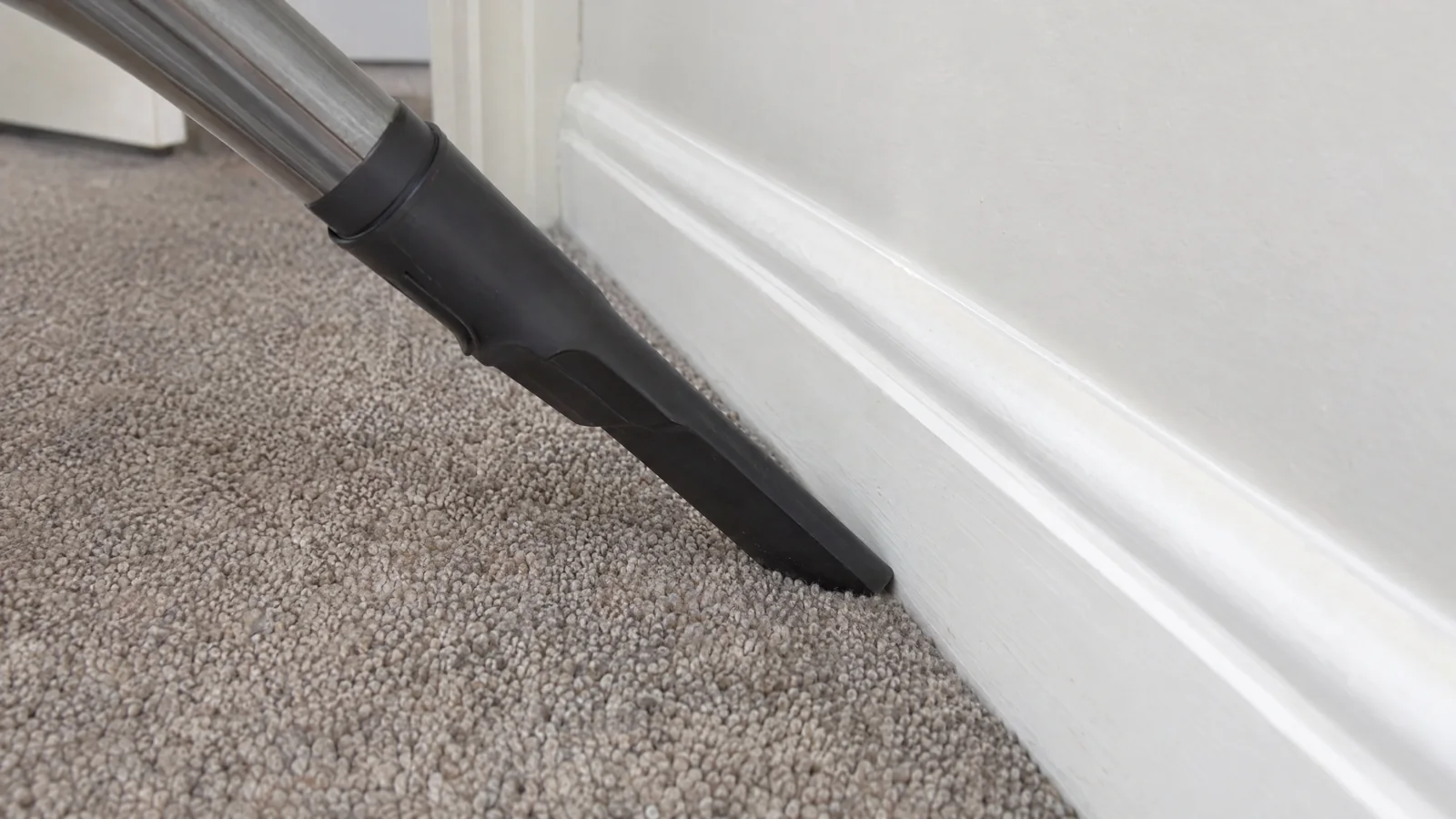
- Larvae hide deep. Between floorboards, under skirting and deep in carpet pile, out of reach.
- Coverage is patchy. Fleas travel with people and pets between rooms, so treating one area leaves others to reinfest it.
- Timing is everything. Pet treatment from the vet and home treatment need to work together.
- Public products have limits. What is on general sale is restricted, and using anything around pets and children needs care.
Professional flea treatment is planned around the life cycle, which is what makes the difference.
What happens when Protec treats fleas
Our flea control service starts with a conversation about what you have seen and which rooms are affected. The technician confirms it is fleas, inspects the property, and explains a treatment plan and any preparation needed before the visit, such as clearing floors.
After treatment, they will explain what to expect, including why a few fleas may still appear for a short time as remaining pupae hatch. Where needed, a follow-up visit is arranged. Our flea species facts page has more background.
We treat fleas right across the area, including flea control in Manchester, flea treatment in Stockport and flea control in Poynton.
Fleas in rentals, empty homes and holiday lets
Fleas are particularly common after a change of tenancy or when a property has been empty. Pupae left by a previous occupant's pet can wait patiently until new people arrive. Landlords and agents can find out about our pest control for landlords and letting agents, and our guide for landlords, empty and holiday lets looks at void periods in detail. For holiday lets, guests bringing dogs is a common source, and a single complaint about bites can quickly turn into a poor review. Planning treatment between bookings, with a follow-up before the next guests arrive, keeps disruption to a minimum.
Frequently asked questions
What are the signs of a flea infestation in your home?
Look for itchy bites, often around ankles and lower legs, pets scratching more than usual, tiny dark specks of flea dirt in pet bedding or on carpets, and small dark insects jumping from the floor. A sudden burst of fleas after returning from holiday is another common sign of an established problem.
Why does a flea problem seem to come back after it has gone?
Adult fleas are only a small part of the population. Eggs, larvae and pupae develop out of sight in carpets, gaps and furniture. Pupae are especially well protected and can wait weeks before hatching. Unless treatment is planned around the whole life cycle, new fleas keep emerging after the visible ones are gone.
Do fleas live on people?
Cat and dog fleas will bite people but prefer animals, and they do not live on human hair in the way head lice do. In a home without pets, fleas left behind by previous occupants or by visiting animals will still bite people while they search for a host.
Is a flea infestation a sign of a dirty home?
No. Fleas turn up in clean, well kept homes because they arrive on pets, visiting animals, wildlife in gardens and sometimes on second hand furniture. Rented homes often have fleas left from a previous tenant's pets. What matters is a properly planned treatment, not how often you clean.
Do you treat fleas across Manchester and Cheshire?
Yes. Protec treats flea infestations in homes, rentals and holiday lets across Manchester, Stockport and Cheshire, including Poynton, Bramhall and Wilmslow. Call 0161 448 1782 to describe what you are seeing and we will arrange a visit and a clear quote, with advice on any preparation.
Break the cycle with Protec
If you have a flea infestation in your home, call Protec on 0161 448 1782 to arrange treatment and request a quote. For more advice, visit the Protec advice blog.
Questions answered
Frequently asked questions
What are the signs of a flea infestation in your home?
Look for itchy bites, often around ankles and lower legs, pets scratching more than usual, tiny dark specks of flea dirt in pet bedding or on carpets, and small dark insects jumping from the floor. A sudden burst of fleas after returning from holiday is another common sign of an established problem.
Why does a flea problem seem to come back after it has gone?
Adult fleas are only a small part of the population. Eggs, larvae and pupae develop out of sight in carpets, gaps and furniture. Pupae are especially well protected and can wait weeks before hatching. Unless treatment is planned around the whole life cycle, new fleas keep emerging after the visible ones are gone.
Do fleas live on people?
Cat and dog fleas will bite people but prefer animals, and they do not live on human hair in the way head lice do. In a home without pets, fleas left behind by previous occupants or by visiting animals will still bite people while they search for a host.
Is a flea infestation a sign of a dirty home?
No. Fleas turn up in clean, well kept homes because they arrive on pets, visiting animals, wildlife in gardens and sometimes on second hand furniture. Rented homes often have fleas left from a previous tenant's pets. What matters is a properly planned treatment, not how often you clean.
Do you treat fleas across Manchester and Cheshire?
Yes. Protec treats flea infestations in homes, rentals and holiday lets across Manchester, Stockport and Cheshire, including Poynton, Bramhall and Wilmslow. Call 0161 448 1782 to describe what you are seeing and we will arrange a visit and a clear quote, with advice on any preparation.
Need pest control advice?
Talk to Protec about your pest problem.
Call for clear advice and the right next step for your property.