
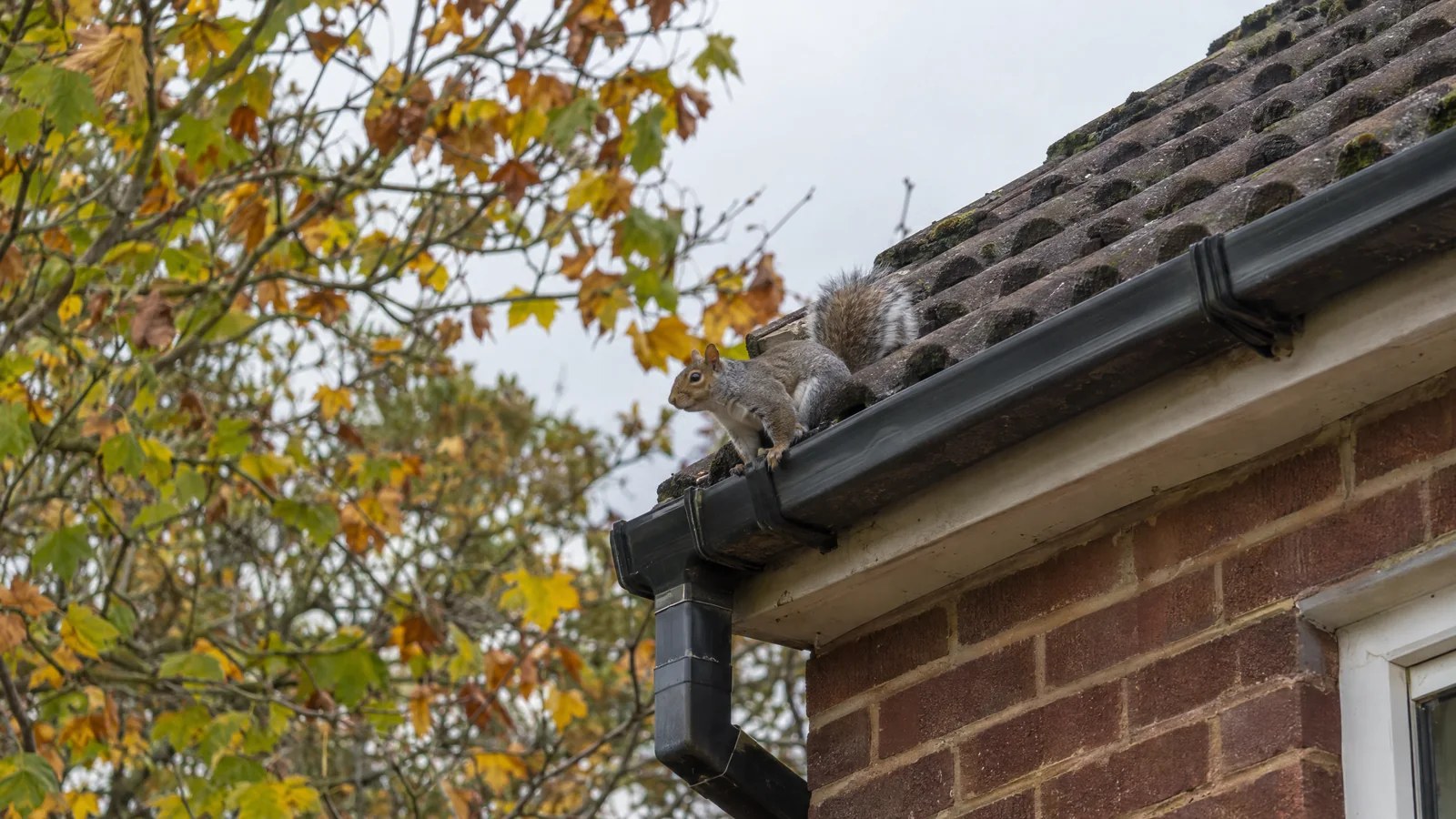
Grey squirrels in the loft chew timbers, insulation and cables, and the law on dealing with them is specific. The signs to look for and why Protec should handle it.
Grey squirrels are a familiar sight in the parks of Stockport and the woodlands of Cheshire. They are far less welcome above the bedroom ceiling. Squirrels in the loft are one of the more destructive household pests we deal with, and because the law around grey squirrels is specific, they are also a pest where professional help is strongly recommended.
This guide covers the signs, the damage squirrels cause, what the law says in general terms and why bringing in a trained technician is the right call.
How to tell squirrels are in the loft
Squirrels are active by day, which helps tell them apart from rats and mice.
The sounds
Listen for running, thumping and scampering in the early morning and late afternoon, often with a rolling sound as they move nuts or debris. The noise is heavier than mice and comes at different times to rats, which are mostly active at night.
The sightings
Squirrels are often seen running along gutters, jumping from trees onto the roof, or disappearing under tiles or into a gap at the eaves.
The evidence
Chewed fascia or soffit boards, torn insulation, large untidy nests made from insulation, leaves and paper, droppings and gnawed stored belongings are all strong signs. Our grey squirrel profile has more background.
The damage squirrels do in a loft
The damage squirrels cause is the main reason they should not be left.
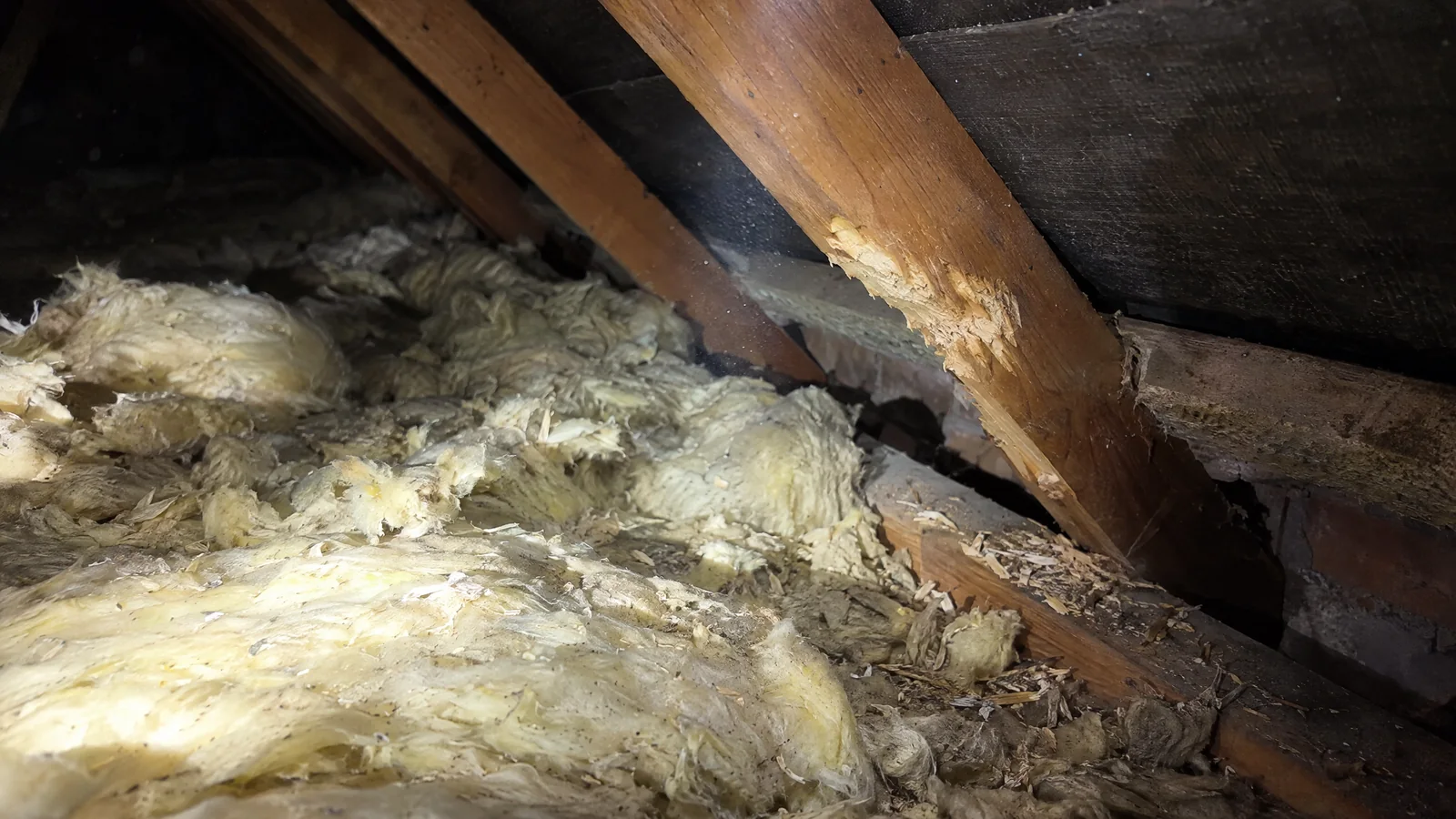
Timber and roofline. Squirrels gnaw constantly. They chew fascias, soffits and roof timbers, both to get in and to keep their teeth worn down.
Insulation. They shred and flatten loft insulation to build nests, reducing its effectiveness.
Cables. Chewed electrical wiring is a recognised fire risk, and it is often hidden under insulation where nobody sees it.
Pipes and tanks. Plastic pipes and water tank coverings can be damaged, sometimes leading to leaks.
Belongings. Boxes, paperwork, clothing and Christmas decorations stored in the loft can all be chewed and soiled.
The longer squirrels stay, the more damage builds up, and many people only find out the full extent when they go into the loft for something else.
What the law says, in general terms
Grey squirrels are an introduced species and are not protected in the way red squirrels are, but that does not mean anything goes. There is specific legislation about how grey squirrels can be controlled, and it is illegal to release a captured grey squirrel back into the wild. Animal welfare law also applies, so any approach has to be humane as well as effective.
That legal framework is one of the main reasons we recommend professional squirrel control. A trained technician knows the rules, uses legally compliant methods and handles every part of the job properly. Protec's squirrel control service is designed with this in mind.
Why DIY squirrel control rarely ends well
On top of the legal side, there are practical reasons DIY attempts tend to fail.
- Access is risky. The work often involves ladders, roof edges and cramped lofts.
- Timing is crucial. Closing an entry point while squirrels or young are still inside can lead to more damage, distress and smells.
- Entry points are easy to miss. Squirrels often use more than one route, and some are hard to spot from the ground.
- The noise might be something else. Mistaking rats or birds for squirrels means the real problem continues.
- They come back. Squirrels return to proven nesting sites, especially if trees give easy access.
If you think squirrels are in your loft, call Protec on 0161 448 1782 for advice and a quote.
What Protec's squirrel control involves
A Protec technician will inspect the roofline from outside and the loft from inside to confirm squirrels are responsible, find their entry points and assess any damage. They will then explain a legally compliant plan, carry it out safely and return to confirm that activity has stopped.
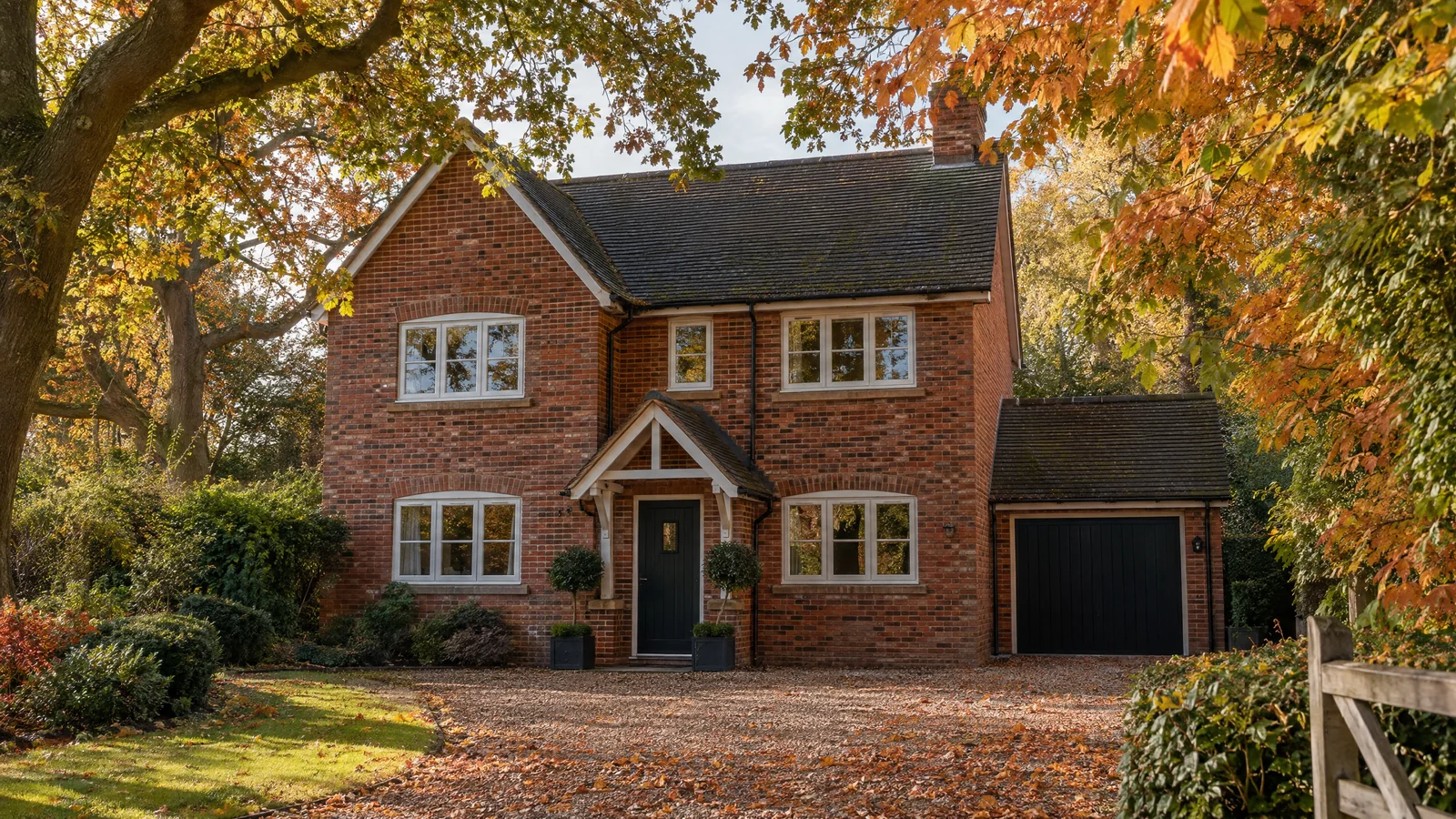
Where repairs to the roofline are needed, you will be told what the technician has found so you can arrange them, and advice will be given about trees and branches that give squirrels easy access.
Squirrels across Stockport and Cheshire
Mature trees and older rooflines make some areas especially prone to squirrels. We regularly provide squirrel control in Stockport, including Heaton Mersey, Heaton Moor and Bramhall, where tree-lined streets sit right beside older houses, and in Cheshire towns and villages such as squirrel control in Bollington and squirrel control in Alderley Edge, where large gardens and woodland border homes. Squirrels are just one of the winter pests in Manchester and Cheshire we deal with each year.
Squirrel activity in lofts tends to rise in autumn and winter, when they look for warm, dry nesting sites, and again in late winter and spring, when females look for somewhere safe to raise young. That seasonal pattern matters, because work carried out at the wrong time can leave young squirrels shut inside, which is distressing and creates further problems. Our technicians plan around the time of year and what they find on the inspection.
If you rent your home, let your landlord or agent know as soon as you hear noises, so the inspection can be arranged quickly.
Frequently asked questions
How do I know if squirrels are in my loft?
The classic signs are running, thumping and rolling noises in the early morning and late afternoon, squirrels seen on the roof or disappearing under tiles, chewed fascia or soffit boards, shredded insulation and large untidy nests. Night time noise is more likely to be rats or mice.
Are grey squirrels protected?
Grey squirrels are not protected in the same way as red squirrels, but they are covered by specific legislation. There are rules about how they can be dealt with, and it is illegal to release a captured grey squirrel back into the wild. That is one reason we recommend professional, legally compliant squirrel control.
What damage can squirrels cause?
Squirrels gnaw roof timbers, fascias, soffits, stored items, insulation and cables. Chewed wiring is a recognised fire risk, and damaged pipes or water tank coverings can cause leaks. Nesting material, droppings and urine also build up in the insulation over time, which can mean clean up or replacement.
Why do squirrels keep coming back?
Squirrels remember good nesting sites, and trees close to the roof make it easy for them to return. If the entry points are not properly identified and dealt with, or if the work is done at the wrong time of year, the same loft is often used again. Professionals plan for that.
Do you deal with squirrels in Bollington and Alderley Edge?
Yes. Protec provides squirrel control across Stockport, Manchester and Cheshire, including Bollington, Alderley Edge, Wilmslow and Macclesfield. Call 0161 448 1782 to tell us what you are hearing and seeing, and we will arrange an inspection and a clear quote for your property.
Call Protec about squirrels in the loft
If you can hear squirrels overhead, do not wait for the damage to grow. Call Protec on 0161 448 1782 or contact our team to request a quote. For more advice, visit the Protec blog.
Questions answered
Frequently asked questions
How do I know if squirrels are in my loft?
The classic signs are running, thumping and rolling noises in the early morning and late afternoon, squirrels seen on the roof or disappearing under tiles, chewed fascia or soffit boards, shredded insulation and large untidy nests. Night time noise is more likely to be rats or mice.
Are grey squirrels protected?
Grey squirrels are not protected in the same way as red squirrels, but they are covered by specific legislation. There are rules about how they can be dealt with, and it is illegal to release a captured grey squirrel back into the wild. That is one reason we recommend professional, legally compliant squirrel control.
What damage can squirrels cause?
Squirrels gnaw roof timbers, fascias, soffits, stored items, insulation and cables. Chewed wiring is a recognised fire risk, and damaged pipes or water tank coverings can cause leaks. Nesting material, droppings and urine also build up in the insulation over time, which can mean clean up or replacement.
Why do squirrels keep coming back?
Squirrels remember good nesting sites, and trees close to the roof make it easy for them to return. If the entry points are not properly identified and dealt with, or if the work is done at the wrong time of year, the same loft is often used again. Professionals plan for that.
Do you deal with squirrels in Bollington and Alderley Edge?
Yes. Protec provides squirrel control across Stockport, Manchester and Cheshire, including Bollington, Alderley Edge, Wilmslow and Macclesfield. Call 0161 448 1782 to tell us what you are hearing and seeing, and we will arrange an inspection and a clear quote for your property.
Need pest control advice?
Talk to Protec about your pest problem.
Call for clear advice and the right next step for your property.